

 Log in


Battery recycling is becoming an increasingly important segment within a battery value chain. The main driver of increased recycling projects is the new EU Battery Regulation and milestones it contains, such as mandatory recycling content of recycled material, mandatory recycling efficiencies etc.
When batteries reach a recycling facility, they undergo a series of steps to extract valuable materials and safe dispose of hazardous waste as presented on Figure 1.

Figure 1. Recycling Process
Prior to any mechanical processing, deep discharging is required to prevent hazards. This step requires good balancing between safety and time efficiency. To achieve that, it is essential to use equipment that enables controllable discharging, with different power capabilities on different voltage levels following battery temperature as well.
To support customers in achieving safety and efficiency requirements of discharging, DV Power expended voltage (from 1350V to 0 V) and power (up to 42 W) capabilities of BLU Series. However, there is another challenge that impacts time efficiency of the process, known as voltage relaxation, or rebound effect. Voltage rebound is a phenomenon observed in batteries where the available energy at a given time is smaller than the sum of energies consumed and charged. That is, in the case of discharging, the energy demanded by the load is greater than the battery can momentarily provide due to the slower rate of the chemical reactions happening within it. Energy is consumed from the edge of the battery, while the total charge is spread across the entire battery. So, while the chemical reactions take place in the battery it appears, to the load device, that all the energy within the battery has been consumed. Minutes to hours later, when the battery is tested, the voltage of the battery can be 2.5V or more, despite appearing to be far below that level, in the moment of discharge. Short circuiting is the only way to ensure that the battery is at and remains below safety critical level.
To avoid rebound voltage that can jeopardize safety of other mechanical steps DV Power designed Battery Active Resistor BAR Series following requirements of market leaders in within battery recycling.
Battery Active Resistor – BAR overview
Battery Active Resistor – BAR presented in Figure 2 is product designed to eliminate rebound voltage of a battery. It is tested on different battery types together with customers, within recycling segment and can be produced as a portable product as in Figure 2 or integrated into the existing discharge stations at customer site.
Power supply of the unit is designed using two different solutions to encompass wider range customer requirements. It can be supplied from internal battery Li-Ion 14.8V, 2900mAh that can be recharged conventionally over mains power supply, or alternatively using test object battery.
The efficiency of the process is achieved with a discharge circuit design based on a transistor-resistor combination.
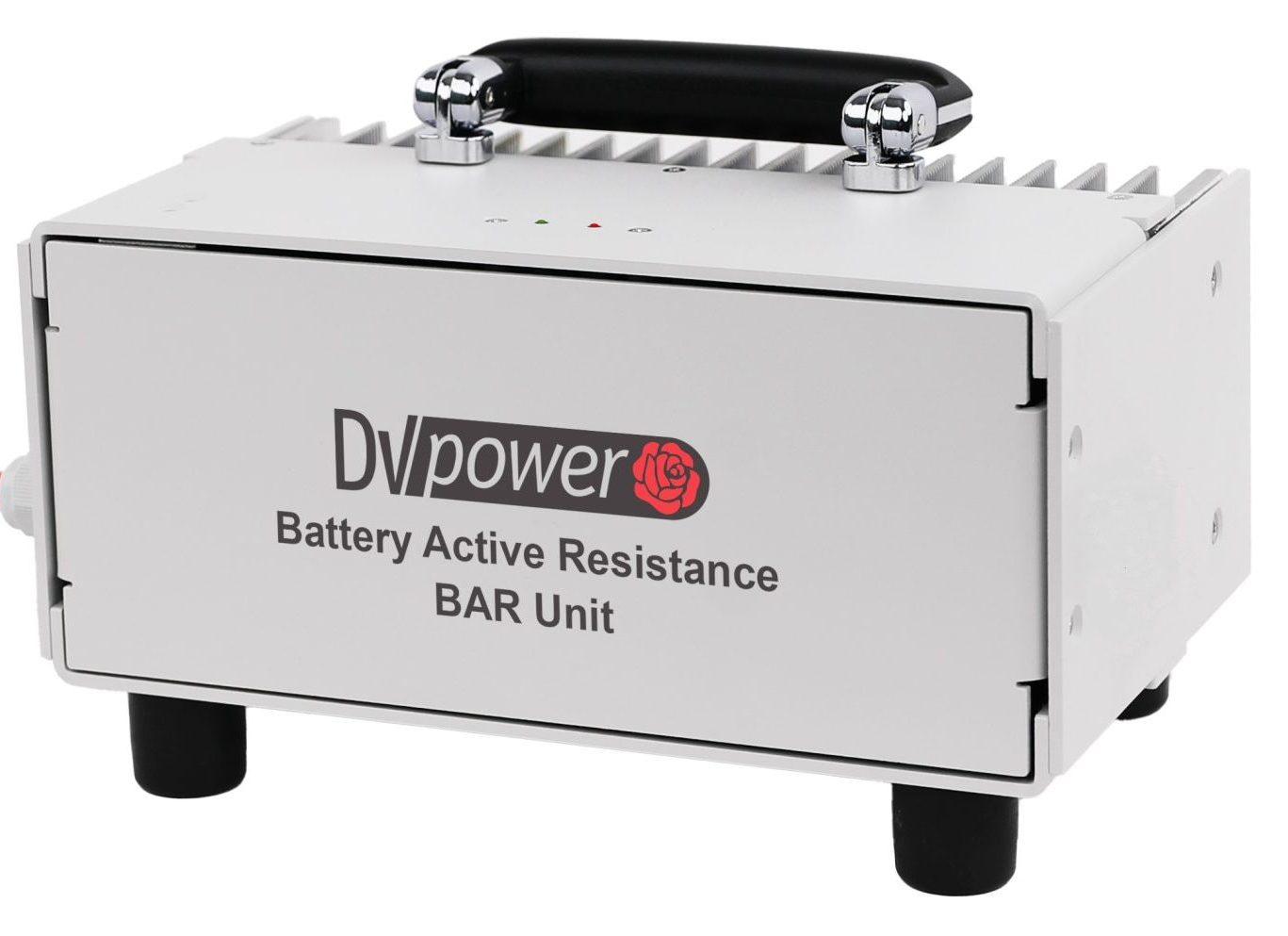
Figure 2. Battery Active Resistor BAR unit
BAR can operate on voltage up to 500V and provides discharge power of 120 W, with a peak discharge current of 10 A. The design includes a temperature measurement channel, providing the capability to monitor the battery temperature during discharge and/or the ambient temperature, depending on the system’s requirements. This functionality enables implementation of the temperature controlled deep discharge process. Operation workflow of the BAR is presented on Figure 3.

Figure 3. BAR block diagram
The battery remains short-circuited until one of the following criteria is met:
- User selected short-circuiting time limit
- User selected short-circuiting current limit
- User selected maximum rebound voltage limit
- External release signal received (if remotely controlled)
BAR remote control
To support further automation of the process BAR instrument is equipped with remote control capability and PC application that enables full customization of the process. It supports multiple communication protocols including, but not limited to, USB, Ethernet, RS232 serial communication and Bluetooth providing flexibility in further integrations. PC application interface enables setting discharging parameters as well as presents measured values in both numerical and graphical format as presented in Figure 4 and Figure 5.

Figure 4. BAR unit PC application

Figure 5. Graphical overview of voltage and current
November 14, 2024


